
Gout: Causes, Symptoms, Treatment, Diet, and Prevention Guide

Introduction
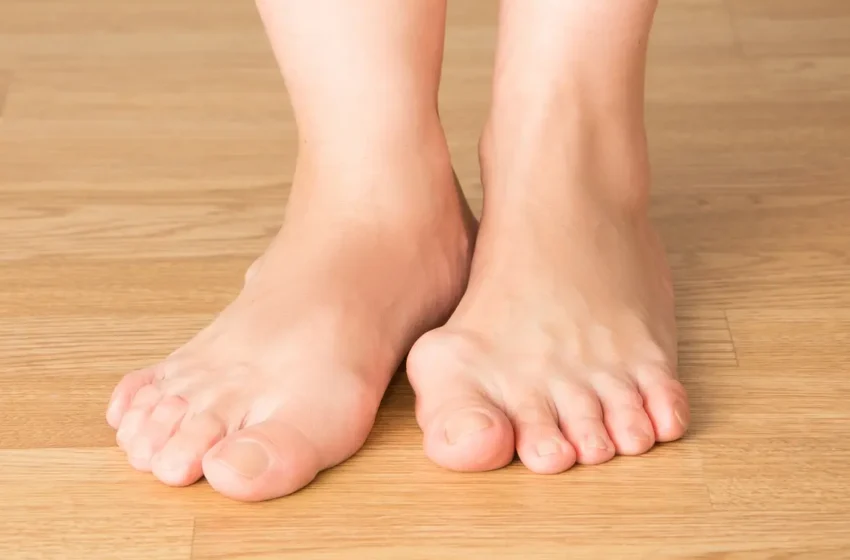
Gout is a painful and increasingly common form of inflammatory arthritis that affects millions of people worldwide. It occurs when uric acid levels in the blood become too high, leading to the formation of sharp crystals in the joints. These crystals trigger sudden and severe pain, swelling, redness, and tenderness most commonly in the big toe.
In recent years, the global incidence of gout disease has increased due to changes in diet, sedentary lifestyles, and rising obesity rates. Many people ignore early symptoms, mistaking gout attacks for minor joint pain, which leads to delayed diagnosis and long-term complications.
This comprehensive guide explains what gout is, its causes, symptoms, treatment options, and dietary recommendations, along with prevention strategies based on the latest medical insights.
What Is Gout?
Gout is a type of arthritis caused by excess uric acid in the bloodstream. When the kidneys fail to eliminate uric acid efficiently, it crystallizes and deposits in joints, causing inflammation and pain.
Unlike other forms of arthritis, gout attacks often occur suddenly, especially at night.
Symptoms of Gout
Common gout symptoms include:
- Sudden, intense joint pain
- Swelling and redness
- Warmth in the affected joint
- Limited range of motion
- Severe pain in the big toe (podagra)
Symptoms typically peak within 24 hours and may last several days.
What Causes Gout?
The primary cause of gout is elevated uric acid levels. Contributing factors include:
- High intake of purine-rich foods
- Excessive alcohol consumption
- Obesity and metabolic syndrome
- Kidney dysfunction
- Genetic predisposition
Risk Factors of Gout
You are at higher risk if you:
- Are male and over 40
- Have a family history of gout
- Consume sugary beverages
- Have diabetes or hypertension
- Take diuretics
Latest Medical Insights on Gout
Recent research highlights the role of gut microbiome imbalance and chronic inflammation pathways in gout development. Studies now show that managing gut health may reduce uric acid levels naturally.
This evolving understanding adds a new preventive dimension beyond medication alone.
How Gout Is Diagnosed
Doctors diagnose gout through:
- Blood tests (uric acid levels)
- Joint fluid analysis
- Imaging tests (ultrasound or X-ray)
Gout Treatment Options
Medical Treatments
- NSAIDs
- Colchicine
- Corticosteroids
- Uric acid-lowering drugs
Natural Remedies
- Hydration
- Weight management
- Cherry extract (supported by studies)
Diet Plan for Gout Patients
Foods to Avoid
- Red meat
- Organ meats
- Alcohol
- Sugary drinks
Foods to Eat
- Low-fat dairy
- Vegetables
- Whole grains
- Vitamin C-rich fruits
Prevention Tips
- Maintain healthy weight
- Drink plenty of water
- Limit alcohol
- Follow a gout-friendly diet
FAQs About Gout
Is gout curable?
No, but it is manageable with proper treatment.
Can women get gout?
Yes, especially after menopause.
Conclusion
Gout is a manageable condition when diagnosed early and treated properly. With the right diet, lifestyle changes, and medical guidance, individuals can significantly reduce flare-ups and improve quality of life.