
Computer Hardware Engineer: Complete Career Guide, Skills, Trends, and Future Scope


Introduction
In a world powered by smart devices, cloud computing, artificial intelligence, and high-performance systems, the role of a computer hardware engineer has never been more critical. From designing microprocessors inside smartphones to building servers that run global data centers, these professionals are the backbone of modern digital infrastructure.
A computer hardware engineer is not just a technician assembling parts. They are innovators who design, test, and optimize physical computing systems that enable software, networks, and emerging technologies to function reliably. As industries move toward automation, edge computing, and AI-driven hardware, demand for skilled hardware engineers continues to grow.
This comprehensive guide explores everything you need to know about becoming a computer hardware engineer, including responsibilities, skills, education, career paths, salary expectations, industry trends, and future opportunities.
Table of Contents
- What Is a Computer Hardware Engineer?
- Why Computer Hardware Engineering Matters
- Core Responsibilities and Job Role
- Types of Computer Hardware Engineers
- Key Hardware Components They Work With
- Essential Skills and Tools
- Education and Certification Path
- Career Opportunities and Salary Outlook
- Industry Trends and Future Scope
- Real-World Applications
- FAQs
- Conclusion
- Meta Keywords
- Image Suggestions
What Is a Computer Hardware Engineer?
A computer hardware engineer designs, develops, tests, and maintains physical components of computing systems. This includes:
- Processors and microcontrollers
- Motherboards and circuit boards
- Memory devices
- Storage systems
- Networking hardware
- Embedded systems
They work closely with software engineers, network architects, and electrical engineers to ensure seamless integration between hardware and software.
Why Computer Hardware Engineers Are Essential
Modern industries depend on high-performance, energy-efficient, and secure hardware. A computer hardware engineer ensures:
- Reliable system performance
- Scalability for data growth
- Compatibility with emerging technologies
- Cybersecurity at the hardware level
- Power efficiency and thermal management
From cloud servers to medical devices and autonomous vehicles, hardware engineering drives innovation across every sector.
Core Responsibilities

A professional computer hardware engineer typically performs the following:
- Designing system architecture and circuit layouts
- Prototyping and testing hardware components
- Debugging and performance optimization
- Conducting failure analysis and quality control
- Collaborating with firmware and OS teams
- Ensuring compliance with industry standards
Types of Computer Hardware Engineers
1. Embedded Systems Engineer
Focuses on microcontrollers and real-time systems used in IoT, automotive, and industrial automation.
2. Network Hardware Engineer
Designs routers, switches, and communication hardware.
3. Processor Design Engineer
Works on CPU, GPU, and AI accelerator architecture.
4. Systems Hardware Engineer
Builds enterprise servers, workstations, and cloud infrastructure.
5. FPGA and ASIC Engineer
Designs custom chips for high-speed and low-power applications.
Key Hardware Components They Work With
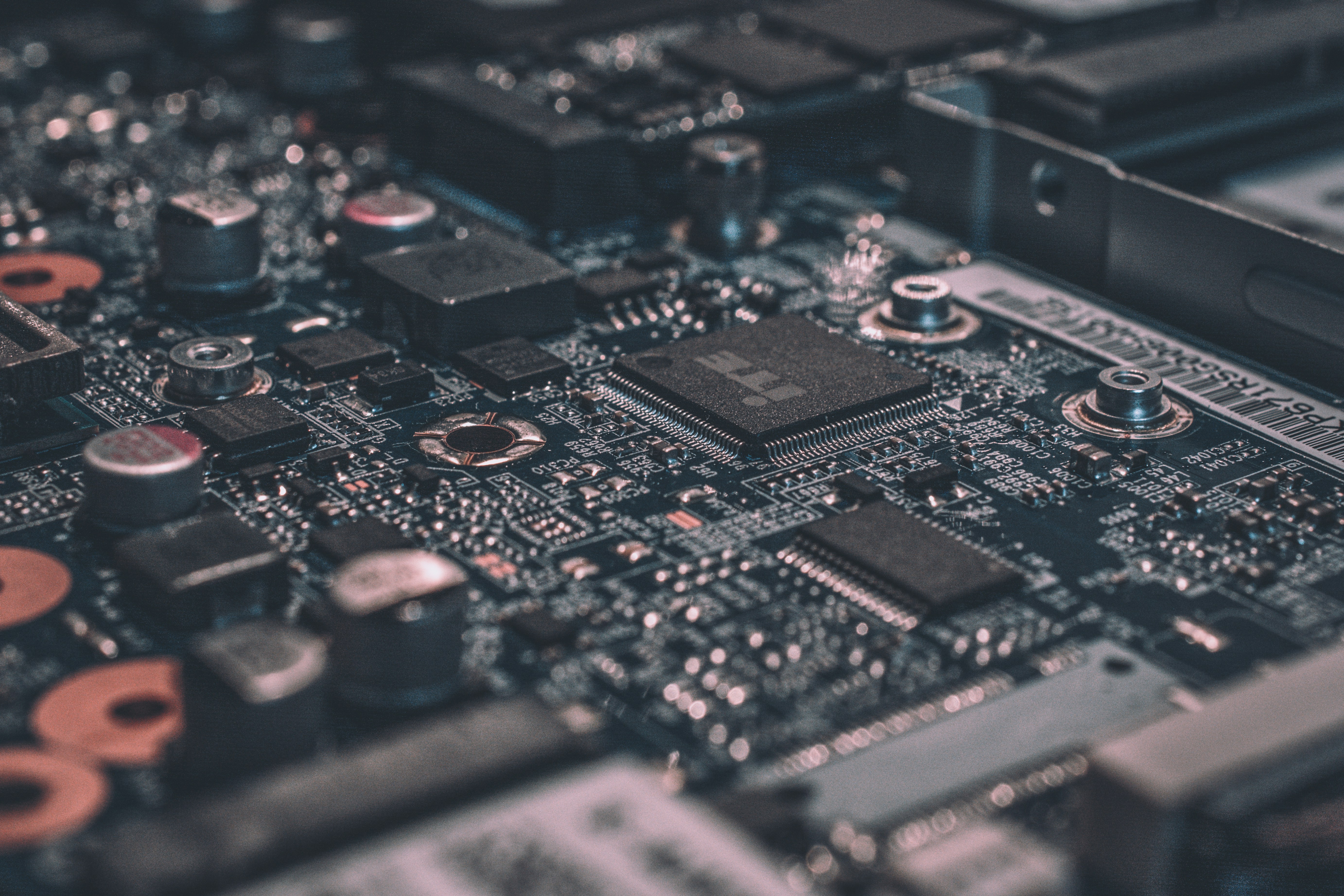
- CPU and GPU Architecture
- RAM and Storage Devices (SSD, NVMe)
- Motherboards and Chipsets
- Power Supply and Thermal Systems
- Networking Interfaces
- Embedded Controllers
Understanding signal integrity, clock distribution, and power optimization is essential.
Essential Skills for a Computer Hardware Engineer
Technical Skills
- Digital logic and microprocessor design
- PCB design and schematic analysis
- VHDL / Verilog
- C and C++ for firmware development
- System performance benchmarking
- Hardware debugging tools (oscilloscopes, logic analyzers)
Soft Skills
- Analytical thinking
- Cross-team collaboration
- Technical documentation
- Project management
- Continuous learning mindset
Education and Certification Path
Academic Background
Most computer hardware engineers hold a degree in:
- Computer Engineering
- Electrical Engineering
- Electronics Engineering
Advanced roles may require a master’s degree in VLSI design or computer architecture.
Certifications
- CompTIA A+ (foundational hardware knowledge)
- Cisco CCNA (network hardware focus)
- ARM Embedded Systems Certification
- Intel FPGA Certification
Career Opportunities and Salary Outlook
Job Titles
- Hardware Design Engineer
- Systems Architect
- Embedded Hardware Engineer
- Network Infrastructure Engineer
- Semiconductor Engineer
Salary Range (Global Average)
- Entry-Level: $60,000 – $80,000
- Mid-Level: $90,000 – $130,000
- Senior / Architect: $140,000 – $200,000+
High-paying sectors include semiconductor manufacturing, cloud service providers, defense, and AI hardware startups.
Industry Trends and Future Scope
1. AI and Machine Learning Hardware
Custom accelerators like TPUs and NPUs are driving demand for specialized hardware engineers.
2. Quantum Computing
Hardware-level quantum processors are opening new research and commercial roles.
3. Edge Computing
Low-latency hardware design for IoT and smart cities.
4. Green Computing
Energy-efficient processor design and thermal optimization.
5. Cybersecurity at Hardware Level
Secure boot, hardware encryption, and trusted execution environments.
Real-World Applications

- Designing servers for hyperscale data centers
- Developing automotive control units for autonomous driving
- Creating medical imaging hardware
- Building space-grade computing systems
- Optimizing gaming consoles and graphics cards
Frequently Asked Questions
Is computer hardware engineer a good career in 2026 and beyond?
Yes. With AI, cloud, and semiconductor innovation accelerating, demand remains strong.
What programming languages are used?
C, C++, Python (for testing), Verilog, VHDL.
Can hardware engineers work remotely?
Design and simulation tasks can be remote, but lab validation often requires on-site presence.
How long does it take to become a hardware engineer?
Typically 4–6 years including degree and internships.
Conclusion
A career as a computer hardware engineer offers stability, innovation, and global relevance. These professionals build the foundation of every digital system, from smartphones and servers to autonomous machines and space technology.
By mastering system architecture, electronics, and performance optimization, a hardware engineer positions themselves at the core of technological evolution. As industries push toward AI acceleration, edge computing, and sustainable design, the role of the computer hardware engineer will continue to expand in both influence and opportunity.
For those passionate about how machines work at the deepest level, this field provides a powerful blend of creativity, precision, and long-term career growth.