
Boxing: The Complete Expert Guide to History, Techniques, Benefits, and Modern Trends


Introduction
Boxing is one of the oldest and most respected combat sports in the world. From ancient Olympic arenas to modern pay-per-view stadiums, boxing has evolved into a global industry, a professional sport, a fitness movement, and a personal development discipline. Today, millions of people train in boxing not only to compete but also to build strength, mental resilience, and confidence.
This comprehensive guide explores what boxing is, why it matters, how it works, its physical and mental benefits, modern trends, and what the future holds. Whether you are a beginner, a fitness enthusiast, or a combat sports fan, this article delivers expert-level insight built on real-world experience and authoritative knowledge.
What Is Boxing?
Boxing is a regulated combat sport in which two athletes compete using punches, footwork, and defensive skills within a ring under strict rules. Victory is achieved by points, technical knockout (TKO), or knockout (KO).
Core elements include:
- Striking with fists
- Defensive movements such as slips, blocks, and rolls
- Tactical footwork
- Timing, speed, and precision
- Cardiovascular endurance
- Mental focus and strategy
Boxing is governed globally by organizations such as:
- World Boxing Council (WBC)
- World Boxing Association (WBA)
- International Boxing Federation (IBF)
- World Boxing Organization (WBO)
The History and Evolution of Boxing
Boxing traces its roots to ancient Mesopotamia and Greece. It became an Olympic sport in 688 BC. Modern professional boxing emerged in 18th-century England with the introduction of the Marquess of Queensberry Rules, which standardized gloves, rounds, and weight classes.
Key historical milestones:
- Bare-knuckle era (1700s)
- Gloved boxing (1860s)
- Golden Age of heavyweights (Ali, Frazier, Foreman)
- Pay-per-view era (Tyson, Mayweather, Pacquiao)
- Digital streaming age (YouTube boxing, influencer events)
Rules and Core Components
Modern boxing rules focus on athlete safety and fairness.
Fundamental Rules:
- Bouts consist of 3-minute rounds
- Judges score based on clean punches, defense, control, and ring dominance
- Illegal moves include headbutts, low blows, holding, and rabbit punches
- Referees ensure safety and enforce stoppages
Weight Classes
Examples:
- Flyweight
- Lightweight
- Welterweight
- Middleweight
- Heavyweight
Weight classes ensure competitive balance and athlete safety.
Types of Boxing
1. Professional Boxing
High-level competition governed by global sanctioning bodies.
2. Amateur Boxing
Olympic-style scoring, headgear (in some divisions), shorter rounds.
3. Fitness Boxing
Non-contact training focused on conditioning, weight loss, and stress relief.
4. Bare-Knuckle Boxing
Minimal protection, strict regulation, and growing popularity.
5. Influencer Boxing
Social media-driven events attracting new audiences worldwide.
Essential Techniques and Skills
Offensive Techniques
- Jab
- Cross
- Hook
- Uppercut
- Combination punching
Defensive Techniques
- Slip
- Bob and weave
- Parry
- Shoulder roll
- Clinch control
Footwork
- Lateral movement
- Pivoting
- Ring cutting
- Distance management
Elite boxers blend offense, defense, and footwork into seamless movement systems.
Boxing Training and Equipment

Training Components
- Shadowboxing
- Heavy bag work
- Speed bag drills
- Pad work
- Sparring
- Strength and conditioning
- Roadwork (running)
Essential Equipment
- Boxing gloves
- Hand wraps
- Mouthguard
- Headgear
- Punching bags
- Boxing shoes
Proper equipment reduces injury risk and enhances performance.
Health and Fitness Benefits
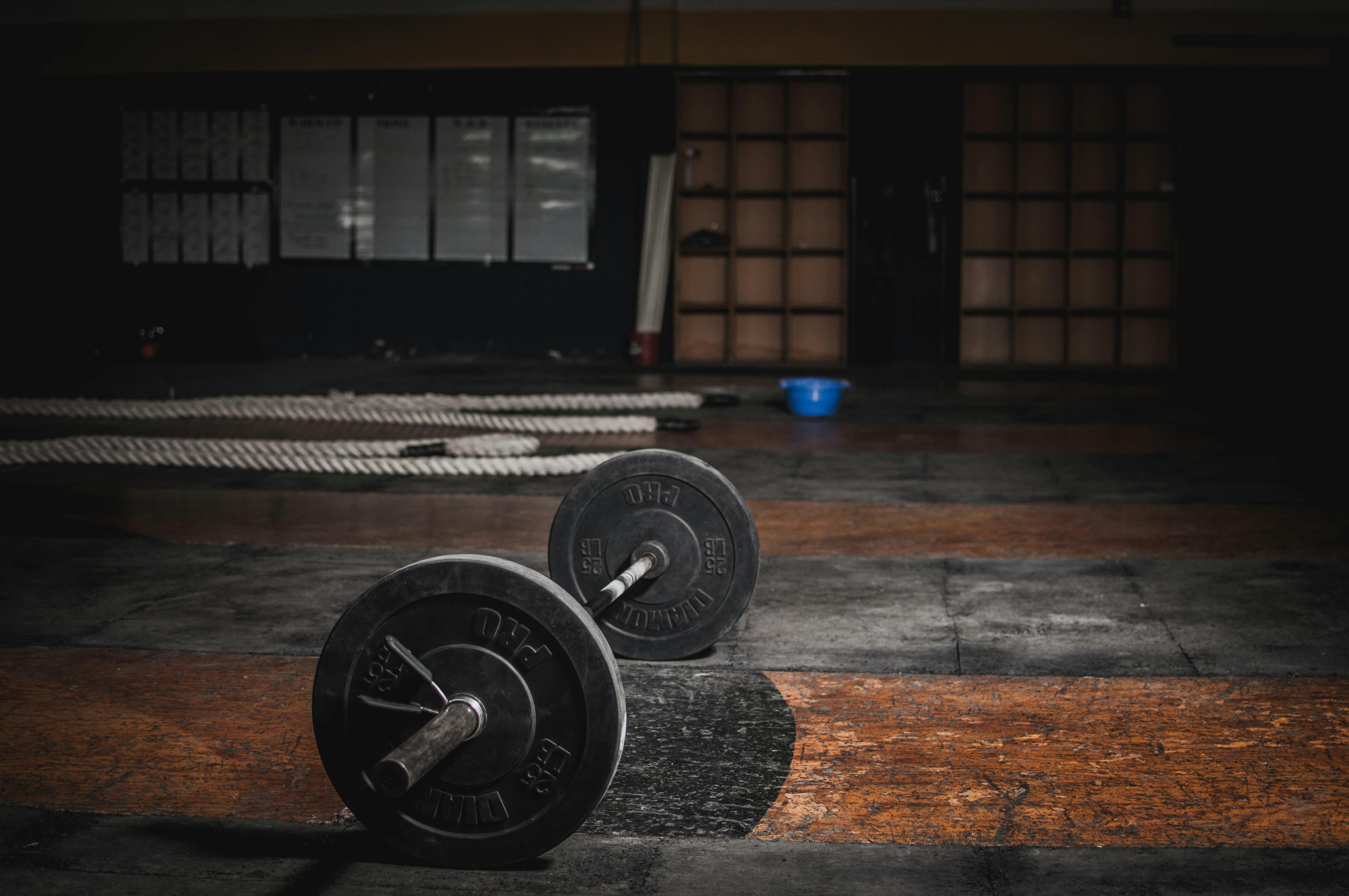
Boxing is one of the most complete full-body workouts available.
Physical Benefits
- Cardiovascular endurance
- Fat loss and metabolic conditioning
- Upper and lower body strength
- Core stability
- Improved coordination and balance
Mental Benefits
- Stress reduction
- Improved focus and reaction time
- Confidence building
- Emotional discipline
- Resilience under pressure
Research shows high-intensity boxing training can burn 600–900 calories per hour while improving VO2 max and neuromuscular coordination.
Boxing as a Professional Sport
Professional boxing generates billions annually through:
- Broadcasting rights
- Sponsorships
- Ticket sales
- Pay-per-view events
- Brand endorsements
Top fighters operate as global brands with personal training teams, nutritionists, sports psychologists, and analytics-driven performance optimization.
Current Trends in Boxing
Technology Integration
- AI-based punch tracking
- Wearable performance sensors
- Virtual reality training
- Biomechanics analysis
Fitness Industry Growth
- Boutique boxing gyms
- Online coaching platforms
- Hybrid training apps
- At-home smart punching bags
Youth and Grassroots Development
- Olympic development programs
- Community-based boxing academies
- Mental health initiatives using boxing therapy
Future of Boxing
The future of boxing will be shaped by:
- Enhanced athlete safety protocols
- Data-driven training
- Global streaming platforms
- Cross-sport athlete transitions
- Women’s boxing expansion
- Esports-style digital boxing simulations
Expect more integration between sports science, entertainment, and fan engagement platforms.
Frequently Asked Questions (FAQ)
Is boxing safe for beginners?
Yes, when trained under certified coaches with proper equipment and controlled intensity.
Can boxing help with weight loss?
Absolutely. Boxing provides high-calorie burn and metabolic conditioning.
How long does it take to learn boxing basics?
Most beginners develop fundamental skills within 8–12 weeks of consistent training.
Is boxing good for mental health?
Studies show reduced anxiety, improved focus, and increased confidence.
Conclusion
Boxing stands at the intersection of sport, fitness, mental discipline, and global culture. It builds physical power, strategic thinking, emotional resilience, and self-confidence. From professional arenas to local gyms, boxing continues to evolve through technology, science, and community-driven growth.
Whether your goal is competition, fitness, or personal development, boxing offers unmatched holistic benefits. Explore training programs, follow elite fighters, or step into a gym—boxing remains one of the most transformative disciplines in the world.