
Accredited Online Radiology Tech Programs: A Complete Guide

Introduction
Accredited online radiology tech programs allow students to train for a career in medical imaging through flexible, remote coursework combined with hands-on clinical experience. These programs are designed for beginners and career changers who want a practical path into healthcare without attending classes on campus full time.
In this guide, you will learn how these programs work, what accreditation really means, how long training takes, what costs to expect, and whether this education path is right for you.
What Are Online Radiology Tech Programs?
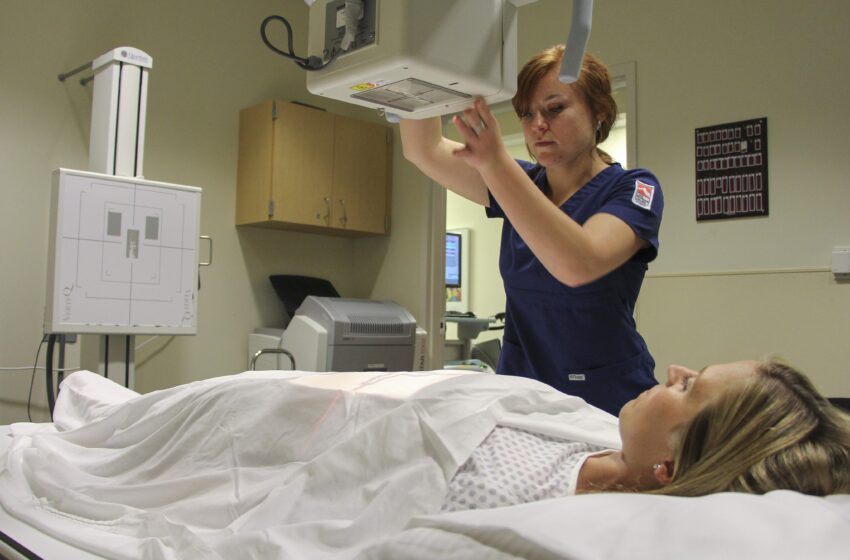
Radiology technicians—also called radiologic technologists or radiographers—are healthcare professionals who perform diagnostic imaging exams such as X-rays, fluoroscopy, and basic CT scans. Their work supports physicians in diagnosing injuries and illnesses.
Online radiology tech programs deliver the academic portion of this training through digital platforms. Students complete lectures, assignments, exams, and discussions remotely. However, because radiologic technology is a hands-on profession, clinical training is still required and completed in approved healthcare facilities near the student’s location.
In practical terms, these programs are best described as hybrid rather than fully online.
Key Components of Online Programs
Most programs include:
- Online coursework in anatomy, imaging physics, and patient care
- Virtual labs and simulations
- In-person clinical rotations at hospitals or imaging centers
- Preparation for professional certification exams
This structure allows students to gain theoretical knowledge at home while developing technical skills in real clinical environments.
Why Accreditation Matters More Than Delivery Format
Accreditation is the single most important factor when choosing a radiology tech program—online or otherwise.
An accredited program has been evaluated by an independent accrediting body and found to meet industry standards for education quality, safety, and outcomes.
Why Accreditation Is Essential
Graduating from an accredited program typically determines whether you can:
- Sit for national certification exams
- Obtain state licensure
- Secure employment at hospitals and imaging centers
- Qualify for financial aid
Employers and licensing boards generally do not recognize unaccredited programs, even if the coursework appears similar.
Common Accrediting Bodies
While you should always verify current accreditation status, reputable programs are reviewed by organizations recognized by national education authorities. Accreditation ensures consistency in curriculum, clinical training, and ethical standards.
How Online Radiology Tech Programs Work Step by Step
Understanding the structure helps you set realistic expectations.
1. Online Didactic Coursework
Students complete foundational subjects online, such as:
- Human anatomy and physiology
- Radiographic positioning
- Imaging equipment operation
- Radiation safety and protection
- Medical ethics and patient communication
Content is delivered through video lectures, readings, quizzes, and interactive learning tools.
2. Clinical Training Requirements
Clinical education cannot be completed online. Programs partner with local healthcare facilities where students:
- Perform supervised imaging procedures
- Learn patient positioning and safety protocols
- Operate real imaging equipment
- Interact with healthcare teams
Clinical hours are scheduled during weekdays, evenings, or weekends, depending on the facility.
3. Program Completion and Certification Eligibility
After finishing coursework and clinical hours, graduates are eligible to apply for professional certification and state licensure, depending on local regulations.
Types of Credentials Available
Online radiology tech programs typically offer one of the following credentials:
Associate Degree
- Most common entry-level credential
- Usually takes 18–24 months
- Meets eligibility requirements for certification exams
Bachelor’s Degree
- Takes approximately four years
- Includes advanced imaging, leadership, or specialization courses
- May improve long-term career advancement opportunities
Certificate Programs
- Designed for healthcare professionals transitioning into radiologic technology
- Shorter duration
- Limited availability and strict admission requirements
For beginners, the associate degree is generally the most practical and cost-effective option.
Admission Requirements You Should Expect
Although requirements vary, most programs ask for:
- High school diploma or equivalent
- Minimum GPA (often 2.5 or higher)
- Prerequisite courses in math or science
- Background check and drug screening
- Physical exam and immunization records
Competitive programs may also require interviews or entrance exams.
Cost Breakdown and Financial Considerations
Program costs vary based on institution type and location.
Typical Expenses Include:
- Tuition and fees
- Textbooks and digital learning resources
- Clinical uniforms and supplies
- Certification exam fees
- Technology requirements
Online programs can reduce expenses related to commuting and housing, but they are not necessarily cheaper than campus-based options.
Financial Aid Options
Students enrolled in accredited programs may qualify for:
- Federal student aid
- Scholarships and grants
- Employer tuition reimbursement
- Payment plans
Always confirm financial aid eligibility before enrolling.
Career Outlook After Graduation
Radiology technicians are in consistent demand due to an aging population and the ongoing need for diagnostic imaging.
Work Settings
Graduates commonly work in:
- Hospitals
- Outpatient imaging centers
- Physician offices
- Emergency clinics
Typical Responsibilities
- Positioning patients for imaging exams
- Operating imaging equipment safely
- Maintaining accurate medical records
- Collaborating with radiologists and physicians
Career advancement may include specialization, supervisory roles, or further education.
Pros and Cons of Online Radiology Tech Programs
Pros
- Flexible learning schedules
- Reduced commuting time
- Access to programs beyond local area
- Ideal for working adults or parents
- Structured clinical experience
Cons
- Clinical hours still require in-person attendance
- Time management demands are high
- Limited face-to-face interaction with instructors
- Not suitable for students who struggle with self-directed learning
Understanding these trade-offs is critical before enrolling.
Who Should Choose This Path — And Who Should Not
This Option Is Ideal For:
- Students needing flexible schedules
- Working professionals changing careers
- Learners comfortable with online education
- Individuals with access to local clinical sites
This Option May Not Be Ideal For:
- Students who prefer traditional classroom learning
- Those unable to commit to clinical schedules
- Individuals seeking a fully online healthcare degree
- People uncomfortable with hands-on patient care
Being honest about your learning style will help prevent costly mistakes.
Common Challenges and How to Overcome Them
Balancing Time Commitments
Clinical rotations can be demanding. Creating a structured weekly schedule and communicating with employers or family members can help.
Staying Engaged Online
Successful students actively participate in discussions, seek instructor feedback, and use supplemental learning resources.
Securing Clinical Placements
Reputable programs assist with placement, but students should confirm this support before enrolling.
Frequently Asked Questions
Are online radiology tech programs completely online?
No. While coursework is online, clinical training must be completed in person at approved healthcare facilities.
How long does it take to complete a program?
Most associate-level programs take about two years when attending full time.
Can I work while enrolled?
Many students work part time, but clinical schedules may limit full-time employment.
Do employers accept online education?
Employers focus on accreditation, certification, and clinical competence—not delivery format.
Is certification required after graduation?
Certification is typically required for employment and state licensure in most regions.
What skills are most important for success?
Attention to detail, patient communication, technical aptitude, and strong time management are essential.
Conclusion
Accredited online radiology tech programs provide a realistic and flexible pathway into a respected healthcare career. When properly accredited, these programs offer the same professional outcomes as traditional campus-based education while allowing students to balance personal and professional responsibilities.
Before enrolling, verify accreditation, understand clinical requirements, and assess your learning style honestly. With the right preparation and commitment, online radiology education can lead to long-term career stability and meaningful work in medical imaging.