Men’s Wedding Bands: A Complete Buyer’s Guide for Modern Grooms
- Wedding
Arslan Hameed
- 0
- 12 minutes read
Introduction
Men’s wedding bands are more than just jewelry they are a lifelong symbol of commitment, personal style, and daily wear practicality. If you are choosing a ring you will wear every day, understanding materials, comfort, durability, and design options is essential. This guide explains everything beginners need to know about men’s wedding bands, from metals and finishes to sizing, lifestyle considerations, and long-term care.
Within the first few minutes of reading, you will understand which type of men’s wedding band fits your lifestyle, budget, and aesthetic preferences—without confusion or sales pressure.
What Are Men’s Wedding Bands?
Men’s wedding bands are rings traditionally exchanged during marriage ceremonies to symbolize partnership and unity. Unlike engagement rings, they are typically simpler in design, built for durability, and intended for continuous daily wear.
While classic gold bands remain popular, modern men now choose from a wide range of materials, finishes, and styles that better match their careers, hobbies, and personal taste.
Key characteristics of men’s wedding bands include:
- Strong, durable construction
- Comfortable fit for long-term wear
- Designs ranging from traditional to contemporary
- Practical thickness and width
Why Choosing the Right Men’s Wedding Band Matters
A wedding band is not a short-term accessory. It must withstand years of daily use, including work, exercise, travel, and exposure to environmental elements.
Choosing the wrong band can lead to:
- Discomfort during long wear
- Scratches or damage that are difficult to repair
- Rings that no longer fit due to lifestyle or weight changes
- Unnecessary replacement costs
A well-chosen men’s wedding band balances symbolism, comfort, and real-world durability.
Popular Materials Used in Men’s Wedding Bands
Gold Wedding Bands
Gold remains a timeless option and comes in several variations.
Types of gold used:
- Yellow gold
- White gold
- Rose gold
Advantages:
- Classic appearance
- Easy to resize
- High resale and emotional value
Limitations:
- Softer than modern metals
- Requires periodic polishing
Gold bands are ideal for men who prefer tradition and elegance over rugged durability.
Platinum Wedding Bands
Platinum is a premium metal known for its weight and strength.
Key features:
- Naturally white metal
- Highly durable
- Hypoallergenic
Considerations:
- Higher cost
- Develops a patina over time rather than shine
Platinum suits men who want a luxurious feel and long-term durability without plating.
Tungsten Wedding Bands
Tungsten carbide is one of the hardest materials used in men’s wedding bands.
Benefits:
- Extremely scratch-resistant
- Affordable
- Maintains polished finish
Drawbacks:
- Cannot be resized
- Brittle under extreme force
Tungsten bands are ideal for men with hands-on jobs who want a low-maintenance ring.
Titanium Wedding Bands
Titanium is lightweight yet strong.
Advantages:
- Comfortable for daily wear
- Corrosion-resistant
- Affordable
Limitations:
- Limited resizing options
- Less traditional appearance
Titanium works well for men who dislike heavy jewelry.
Stainless Steel and Alternative Metals
Other modern materials include stainless steel, cobalt chrome, and ceramic.
Why men choose them:
- Budget-friendly
- Contemporary look
- Good durability
These are suitable for men seeking modern design without high cost.
Wedding Band Widths and Thickness Explained
Common Width Options
Men’s wedding bands typically range from 4mm to 10mm.
- 4–5mm: Slim, subtle, minimalist
- 6–7mm: Balanced and most popular
- 8–10mm: Bold and statement-making
Men with larger hands often prefer wider bands, while slimmer hands suit narrower widths.
Thickness Considerations
Thickness affects comfort and durability.
- Thin bands feel lighter but may wear faster
- Thicker bands offer durability but can feel bulky
A comfort-fit interior often improves wearability regardless of thickness.
Finishes and Styles of Men’s Wedding Bands
Popular Finishes
- Polished: Shiny and traditional
- Matte: Modern and understated
- Brushed: Subtle texture that hides scratches
- Hammered: Handcrafted, rustic appearance
Choosing the right finish helps manage visible wear over time.
Design Styles
Men’s wedding bands are available in:
- Plain solid bands
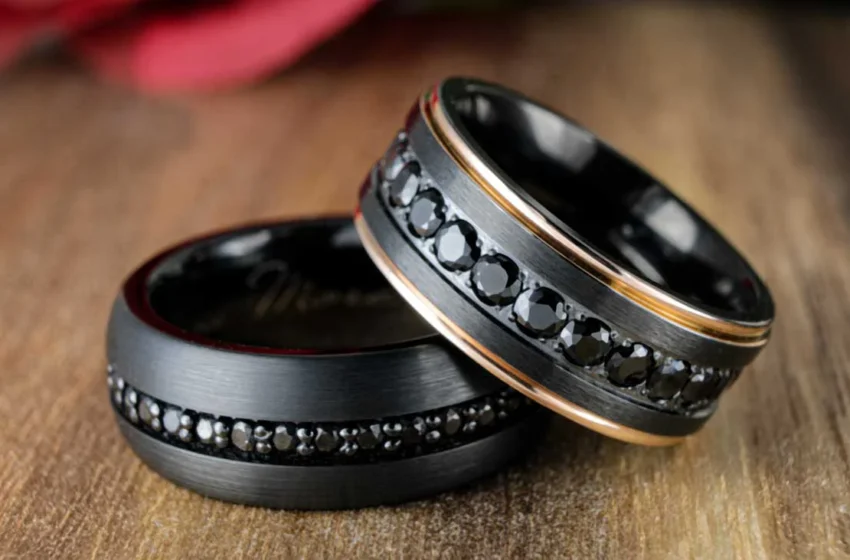
- Two-tone designs
- Bands with grooves or patterns
- Rings with subtle gemstone accents
Modern designs allow personalization without sacrificing masculinity or simplicity.
Comfort Fit vs Standard Fit Rings
Comfort Fit Rings
Comfort-fit bands have rounded inner edges.
Advantages:
- Easier to slide on and off
- Reduced pressure on the finger
- Ideal for long-term wear
Standard Fit Rings
Standard-fit bands have flat inner surfaces.
Advantages:
- Slightly more affordable
- Traditional construction
For most men, comfort-fit wedding bands are worth the slight additional cost.
Matching Lifestyle to the Right Wedding Band
Active or Hands-On Professions
Men working in construction, engineering, or athletics should prioritize:
- Scratch resistance
- Low maintenance
- Durability
Tungsten, titanium, or silicone alternatives are practical choices.
Office or Formal Environments
Men working in corporate or professional settings often prefer:
- Gold or platinum
- Polished or satin finishes
- Classic widths
These styles align with formal attire.
Minimalist or Modern Preferences
For men who prefer subtle design:
- Matte or brushed finishes
- Slim widths
- Neutral tones
These bands are understated yet stylish.
Pros and Cons of Men’s Wedding Bands
Pros
- Symbolizes lifelong commitment
- Available in diverse styles and budgets
- Designed for daily wear
- Can reflect personal identity
Cons
- Some materials cannot be resized
- Softer metals require maintenance
- Improper sizing causes discomfort
- Trend-based designs may age poorly
Understanding these trade-offs helps avoid buyer’s remorse.
Who Should Use This / Who Should Not
Who Should Use This Guide
- First-time buyers
- Engaged men unsure about materials
- Couples comparing modern vs traditional rings
- Budget-conscious shoppers
Who May Not Benefit Fully
- Men replacing an existing band
- Buyers seeking luxury customization only
- Those already decided on a specific metal
How to Choose the Correct Ring Size
Proper sizing prevents long-term discomfort.
Tips for accurate sizing:
- Measure fingers at room temperature
- Avoid sizing early morning or late night
- Consider dominant hand differences
- Account for knuckle size
Professional sizing at a jewellery store is always recommended.
Maintenance and Care Tips
Different materials require different care levels.
- Clean gold and platinum with mild soap
- Avoid harsh chemicals
- Store rings separately to avoid scratches
- Remove rings during heavy lifting
Regular care extends the life of men’s wedding bands significantly.
Frequently Asked Questions (FAQ)
What is the best material for men’s wedding bands?
The best material depends on lifestyle. Gold and platinum suit traditional wear, while tungsten and titanium suit active lifestyles.
Are men’s wedding bands supposed to be expensive?
No. Quality men’s wedding bands are available across all budgets. Cost depends on material, not symbolism.
Can men’s wedding bands be resized?
Gold and platinum bands can usually be resized. Tungsten and titanium often cannot.
How wide should a men’s wedding band be?
Most men prefer 6–7 mm width, which balances comfort and appearance.
Do men wear wedding bands all the time?
Most men wear them daily, but some remove them during sports or manual labor.
Is comfort fit worth it?
Yes. Comfort-fit bands reduce pressure and improve long-term wearability.
Conclusion
Men’s wedding bands are deeply personal yet practical choices that deserve careful consideration. The ideal band balances symbolism, comfort, durability, and style while fitting seamlessly into daily life. By understanding materials, finishes, sizing, and lifestyle compatibility, you can confidently select a ring that remains meaningful and comfortable for decades.
A well-chosen men’s wedding band is not about trends it is about long-term satisfaction, identity, and commitment.